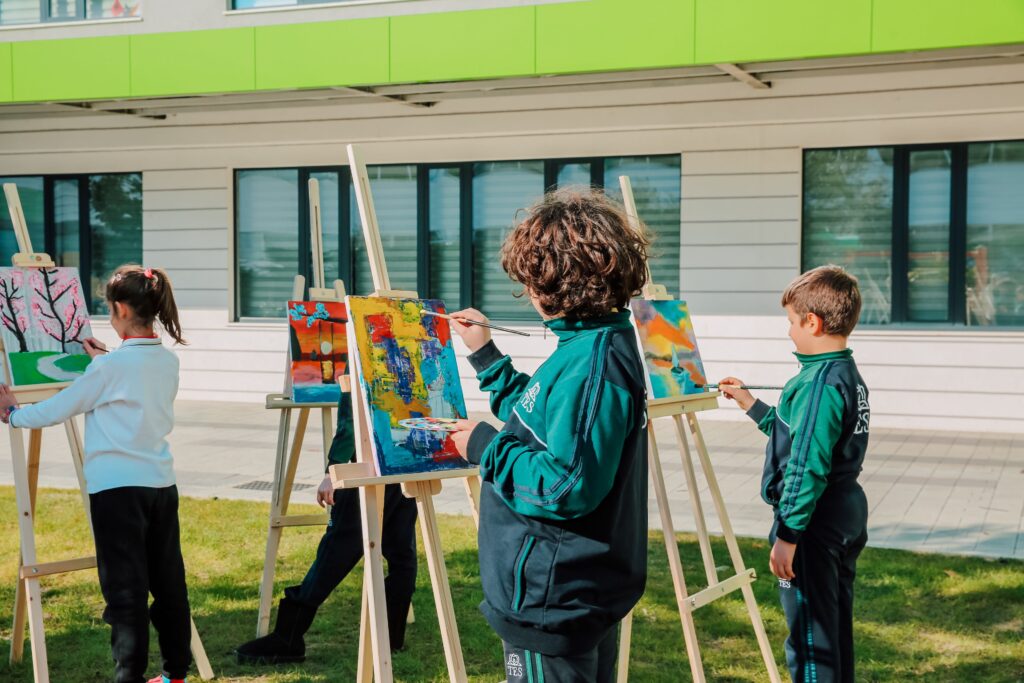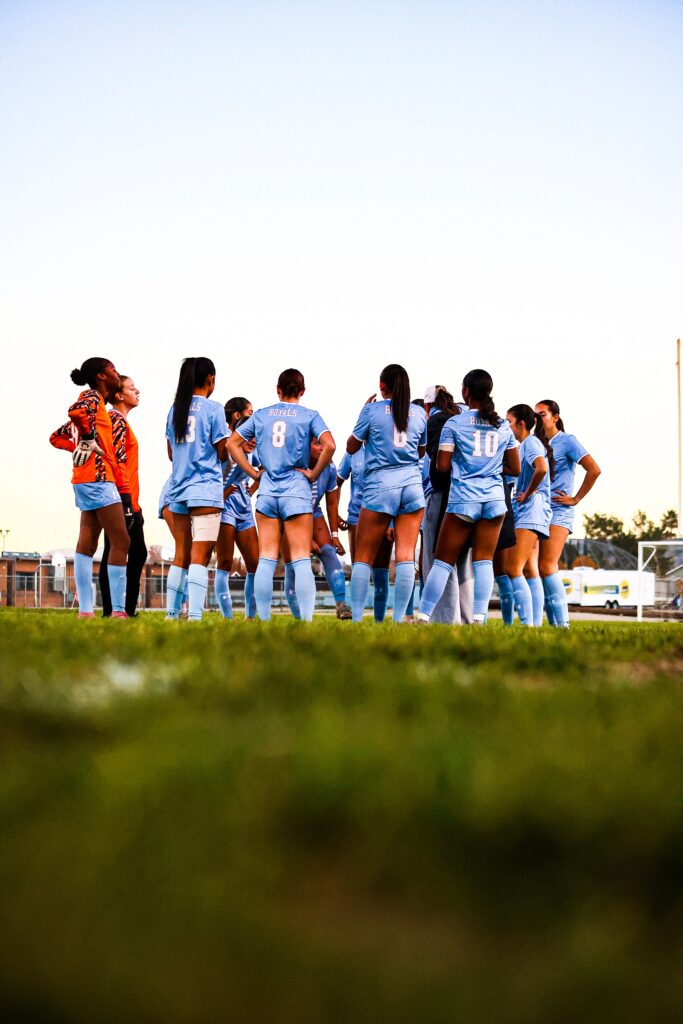
Joining a school club or activity is a great way for children to make friends, develop new skills, and explore their interests. In Canadian schools, students may have opportunities to participate in sports teams, music groups, art clubs, academic activities, and other extracurricular programs.
For newcomer parents, understanding school activity announcements, registration forms, schedules, and participation requirements can sometimes be challenging. You may need to ask questions about the cost, meeting times, equipment, or transportation.
Learning the vocabulary in this article will help you understand school clubs and activities, communicate with teachers, and support your child in getting involved in school life.
1. Types of School Clubs and Activities
Schools offer different clubs and activities depending on the students’ interests, available resources, and grade levels.
| Vocabulary | Simple Definition |
|---|---|
| School club | A group of students who meet to share an interest or do an activity. |
| Extracurricular activity | An activity that takes place outside regular classroom lessons. |
| Sports team | A group of students who practise and play a sport together. |
| Art club | A group where students do creative activities such as drawing and painting. |
| Drama club | A group where students practise acting and perform plays. |
| Music group | A group of students who sing or play musical instruments together. |
| School band | A group of students who play musical instruments together. |
| Choir | A group of people who sing together. |
| Science club | A group where students explore science through projects and experiments. |
| Homework club | A group where students receive help with their schoolwork. |
| Student council | A group of students who represent other students and help organize school activities. |
| Volunteer club | A group where students participate in activities to help others or the community. |
Examples:
- My daughter wants to join the school choir.
- My son is interested in joining the basketball team.
- The school offers several extracurricular activities.
- She attends the homework club twice a week.
2. Expressing Interests and Abilities
When children choose a school activity, they often talk about their interests, talents, and abilities.
| Vocabulary | Simple Definition |
|---|---|
| Interest | Something you enjoy learning about or doing. |
| Hobby | An activity you enjoy doing in your free time. |
| Talent | A natural ability to do something well. |
| Skill | The ability to do something well, often developed through practice. |
| Strength | Something you are good at. |
| Passion | A strong interest in something. |
| Creative | Good at making or thinking of new things. |
| Athletic | Good at sports or physical activities. |
| Beginner | Someone who is just starting to learn an activity. |
| Experienced | Having knowledge or skill from doing something before. |
Examples:
- My son has a strong interest in science.
- She is a beginner, but she wants to learn how to play the piano.
- He is very athletic and enjoys playing soccer.
- Drawing is one of her favourite hobbies.
- My daughter has a talent for singing.
Useful Expressions:
- My child is interested in…
- She would like to try…
- He enjoys participating in…
- My child has experience in…
- She is a beginner.
- He would like to develop his skills.
3. Registration and Participation
Before joining a school club, students may need to complete a registration process. Parents may also need to provide permission or additional information.
| Vocabulary | Simple Definition |
|---|---|
| Register | To officially sign up for an activity. |
| Registration form | A document you complete to join an activity. |
| Sign up | To put your name on a list to participate. |
| Permission form | A document that a parent or guardian signs to give approval. |
| Consent | Official agreement or permission. |
| Participant | A person who takes part in an activity. |
| Membership | Being part of a group or club. |
| Enrollment | The process of officially joining a program. |
| Deadline | The final date to complete something. |
| Availability | Whether there is space or an opportunity to participate. |
| Waitlist | A list of people waiting for an available space. |
| Eligibility | The conditions someone must meet to join an activity. |
Examples:
- Parents must sign a permission form before students can join the trip.
- The registration deadline is Friday.
- My daughter signed up for the art club.
- The basketball team is full, so my son is on the waitlist.
- Is there still availability in the after-school program?
Useful Questions to Ask:
- How can my child register for this activity?
- Is there a registration fee?
- What is the deadline to sign up?
- Does my child need previous experience?
- Are there still spaces available?
- Do parents need to sign a permission form?
4. Schedules, Fees, and Equipment
Parents often need to understand practical details before their children participate in a school activity.
| Vocabulary | Simple Definition |
|---|---|
| Schedule | A plan showing when activities take place. |
| Meeting time | The time when a group gets together. |
| Frequency | How often something happens. |
| Once a week | One time every week. |
| Twice a week | Two times every week. |
| After school | The time after regular classes finish. |
| Before school | The time before regular classes begin. |
| Fee | Money you pay for a service or activity. |
| Equipment | The tools or items needed for an activity. |
| Uniform | Special clothing worn by members of a team or group. |
| Supplies | Materials needed to do an activity. |
| Transportation | The way someone travels from one place to another. |
| Supervision | Watching and taking care of students to keep them safe. |
Examples:
- The chess club meets once a week.
- Soccer practice takes place after school.
- Students must bring their own equipment.
- There is a small fee for the art program.
- Does the school provide transportation?
- The club provides supervision until 5 p.m.
Useful Questions to Ask:
- What time does the activity start and finish?
- How often does the club meet?
- Does my child need to bring any equipment?
- Is there an additional fee?
- Where do students meet after school?
- Who supervises the students?
5. Communication and Social Skills
Joining a club also gives children opportunities to communicate, cooperate, and develop relationships with other students.
| Vocabulary | Simple Definition |
|---|---|
| Teamwork | Working together with other people. |
| Cooperation | Working well with others to achieve something. |
| Participate | To take part in an activity. |
| Collaborate | To work together on a task or project. |
| Make friends | To develop friendships with other people. |
| Get involved | To take an active part in something. |
| Encourage | To give someone support or confidence. |
| Support | To help someone. |
| Confidence | Believing in your ability to do something. |
| Leadership | The ability to guide or organize a group. |
| Responsibility | Something you are expected to do or take care of. |
| Respect | Treating other people politely and fairly. |
Examples:
- Team sports help children develop teamwork skills.
- Joining a club can help students make new friends.
- The teacher encourages everyone to participate.
- Students learn to cooperate and respect different opinions.
- Volunteering can help children develop leadership skills.
6. Common Phrasal Verbs and Expressions
These expressions are useful when talking about school activities.
| Expression | Meaning | Example |
|---|---|---|
| Sign up for | Register for an activity. | I want to sign up for the drama club. |
| Take part in | Participate in something. | My son takes part in the school band. |
| Join in | Start participating in an activity. | She was shy at first, but she joined in. |
| Try out | Attempt to join a team through a selection process. | He will try out for the basketball team. |
| Give it a try | Attempt something new. | She has never danced before, but she wants to give it a try. |
| Keep up with | Continue at the same speed or level. | He finds it difficult to keep up with the team. |
| Get along with | Have a friendly relationship with someone. | She gets along well with other students. |
Practice

Exercise 1: Match the Words with Their Definitions
Match each word with the correct definition.
- Registration form
- Extracurricular activity
- Deadline
- Equipment
- Teamwork
- Waitlist
- Beginner
- Supervision
A. Working together to achieve something.
B. A person who is just starting to learn something.
C. A document you complete to join an activity.
D. Watching students to make sure they are safe.
E. The final date to complete something.
F. Items or tools needed for an activity.
G. An activity outside regular classroom lessons.
H. A list of people waiting for an available space.
Exercise 2: Complete the Sentences
Choose the correct word from the box.
sign up – deadline – equipment – beginner – participate – fee – schedule – teamwork
- My daughter wants to __________ for the school choir.
- The registration __________ is September 15.
- Students need to bring their own sports __________.
- My son is a __________, so he has no previous experience.
- All students are encouraged to __________ in the activity.
- There is a $20 registration __________.
- Can you please send me the club’s __________?
- Playing team sports helps children develop __________ skills.
Exercise 3: Choose the Correct Expression
- My daughter wants to ______ the art club. a) sign up for b) get along with c) keep up with
- The students work together on a project. They demonstrate good ______. a) deadline b) teamwork. c) equipment
- My son has never played basketball, but he wants to ______. a) give it a try b) sign up c) get along
- She has a friendly relationship with the other students. She ______ them. a) takes part in. b) gets along with. c) tries out
Exercise 4: Complete the Conversation
Complete the conversation using the words in the box.
registration – fee – schedule – equipment – beginner
Parent: Hello. I am interested in the after-school soccer program. Can you tell me about the __________?
Teacher: Of course. Students meet twice a week, on Tuesdays and Thursdays.
Parent: Does my child need to have previous experience?
Teacher: No. We accept students at all levels, including __________.
Parent: Does the school provide the __________?
Teacher: Students need to bring their own soccer shoes and a water bottle. Other equipment is provided.
Parent: Is there a registration __________?
Teacher: Yes. It is $25 for the term.
Parent: Thank you. Where can I find the __________ form?
Teacher: You can download it from the school website.
Speaking Practice
Think about your child’s interests and the activities available at school.
Answer the following questions in complete sentences.
- What school clubs or activities are available at your child’s school?
- Which activity would your child like to join?
- What skills or interests does your child have?
- Has your child participated in any extracurricular activities before?
- What questions would you ask the teacher before registering?
- How can joining a school club help your child make friends?
Useful Sentence Starters:
- My child is interested in…
- He/She would like to join…
- One of my child’s strengths is…
- I think this activity would help my child…
- Before registering, I would like to know…
- I believe extracurricular activities are important because…
Vocabulary Challenge: Use What You Have Learned
Choose five new vocabulary words from this article. Write a sentence with each word.
| New Word | My Sentence |
|---|---|
| 1. | |
| 2. | |
| 3. | |
| 4. | |
| 5. |