
Learning to spell correctly can make your English writing clearer. Good spelling helps you write emails, complete forms, communicate at work, and succeed in school.
However, not everyone learns the same way. Some people remember what they see. Others learn by listening, reading, or doing activities. Understanding your learning style can help you find the best ways to improve spelling more quickly and enjoyably.
Let’s explore different learning styles and the spelling strategies that work best for each one.
Why Is Good Spelling Important?
Correct spelling helps people understand your writing. It also shows that you pay attention to details. Even if your grammar is good, many spelling mistakes can make writing difficult to read.
Improving your spelling can help you:
- write professional emails
- complete job applications
- text more clearly
- improve school assignments
- feel more confident when writing
Remember, everyone makes spelling mistakes sometimes. The important thing is to keep practicing.
Vocabulary
Professional – suitable for work.
Assignment – schoolwork given by a teacher.
Application – a form you complete to apply for something.
Practice – to do something again to improve.
1. Visual Learners: Learn by Seeing

Visual learners remember pictures, colours, and written words.
If you are a visual learner, try these ideas:
- Write difficult words several times.
- Highlight tricky letters with different colours.
- Use flashcards with the word on one side and the meaning on the other.
- Group words with similar spelling patterns.
- Make word maps or mind maps.
For example:
- light
- night
- right
- bright
Seeing similar patterns helps your brain remember them.
Vocabulary
Highlight – to mark something with colour.
Flashcard – a small card used for studying.
Pattern – something that repeats in the same way.
Mind map – a diagram that organizes ideas.
Group – to put similar things together.
2. Auditory Learners: Learn by Listening
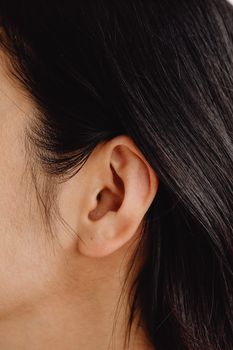
Some people remember information better when they hear it.
If you learn best by listening:
- Say each word aloud.
- Spell words letter by letter.
- Record yourself reading spelling words.
- Listen to audiobooks while following the printed text.
- Ask someone to give you spelling quizzes.
Breaking words into syllables also helps.
Example:
information
in-for-ma-tion
Listening to the sounds helps connect pronunciation and spelling.
Vocabulary
Auditory – related to hearing.
Aloud – spoken so people can hear.
Record – to save your voice or sound.
Syllable – one beat or part of a word.
Pronunciation – the way a word is spoken.
3. Reading and Writing Learners: Learn by Using Words
Some learners remember words best by reading and writing them.
Try these activities:
- Keep a spelling notebook.
- Write new words in sentences.
- Read English books every day.
- Copy difficult words several times.
- Make weekly spelling lists.
The more often you read correctly spelled words, the easier they become to remember.
Vocabulary
Notebook – a book for writing notes.
Sentence – a group of words that expresses a complete idea.
Copy – to write something exactly as it appears.
Weekly – happening every week.
Remember – to keep something in your memory.
4. Kinesthetic Learners: Learn by Doing

Kinesthetic learners remember information through movement and hands-on activities.
You can try:
- writing words in sand or shaving cream
- building words with letter tiles
- tracing words with your finger
- playing spelling games
- using magnetic letters on the refrigerator
Moving while learning helps many people remember spelling more easily.
Vocabulary
Kinesthetic – learning by movement and touch.
Trace – to follow the shape of something.
Tile – a small piece with a letter on it.
Magnetic – able to stick to metal.
Hands-on – learning by doing.
Tips That Help Every Learner
No matter how you learn, these habits improve spelling.
Read Every Day
Reading exposes you to correctly spelled words again and again.
Keep a Personal Word List
Write down words you often misspell.
Learn Common Spelling Rules
For example:
- i before e (for example: achieve, believe, field, piece, shield) except after c (for example: ceiling, conceit,
deceit, receipt, receive) (with many exceptions) - add -es to words ending in s, sh, ch, x, or z (for example:churches, lenses, parishes, glasses, boxes, buzzes)
- double the final consonant before adding -ing in some words (run → running)
Use Technology Wisely
Spell check is helpful, but do not depend on it completely. Try to find and correct mistakes yourself first.
Review Regularly
Review old spelling words every week so you do not forget them.
Vocabulary
Expose – to experience something.
Misspell – to spell a word incorrectly.
Rule – a guideline to follow.
Review – to study again.
Depend – to rely on something.
Fun Ways to Practice Spelling
Learning spelling does not have to be boring.

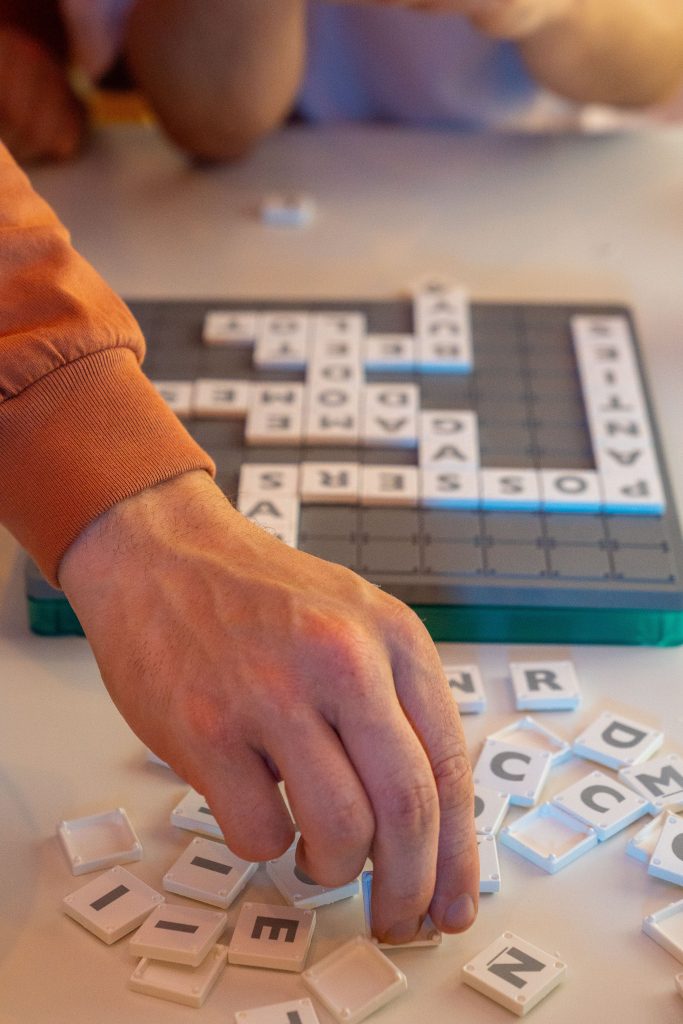

Try:
- crossword puzzles
- word searches
- Scrabble
- Boggle
- online spelling games
- spelling apps
- writing short stories using new vocabulary
- keeping a daily journal
The more enjoyable your practice is, the more likely you are to continue.
Vocabulary
Crossword – a word puzzle.
Journal – a personal writing notebook.
Vocabulary – the words you know.
Enjoyable – fun and pleasant.
Continue – to keep doing something.
Find Your Learning Style
Many people use more than one learning style. You might learn best by seeing words, but also remember them better when you say them aloud.
Try different techniques and notice which ones help you remember spelling the longest. There is no single “best” method for everyone. The best strategy is the one that works for you.
Consistent practice, reading, writing, and reviewing will help your spelling improve over time.
Vocabulary
Technique – a way of doing something.
Consistent – happening regularly.
Strategy – a plan for reaching a goal.
Improve – to become better.
Learning style – the way a person learns most effectively.
Practice
Practice Activity 1: What Is Your Learning Style?
Read each statement. Write V (Visual), A (Auditory), R (Reading/Writing), or K (Kinesthetic).
- I remember words better when I see them written. ______
- I like saying new words aloud. ______
- I enjoy making spelling lists. ______
- I like using letter tiles or games. ______
- Colour coding helps me remember words. ______
- I enjoy listening to audiobooks. ______
- Writing words several times helps me learn. ______
- I like moving while I study. ______
Discussion: Which learning style do you think fits you best?
Practice Activity 2: Match the Strategy
Match the learner with the best spelling activity.
| Learning Style | Activity |
|---|---|
| Visual | A. Build words with letter tiles |
| Auditory | B. Highlight spelling patterns |
| Reading/Writing | C. Keep a spelling notebook |
| Kinesthetic | D. Spell words aloud |
Answers
Visual → B
Auditory → D
Reading/Writing → C
Kinesthetic → A
Conclusion
The best ways to improve spelling depend on how you learn. Whether you are a visual, auditory, reading/writing, or kinesthetic learner, choosing activities that match your learning style can make practice easier and more effective.
Read often, write regularly, review difficult words, and don’t be afraid to make mistakes. Every time you practice, your spelling becomes a little stronger. With patience and consistency, you’ll become a more confident English writer.