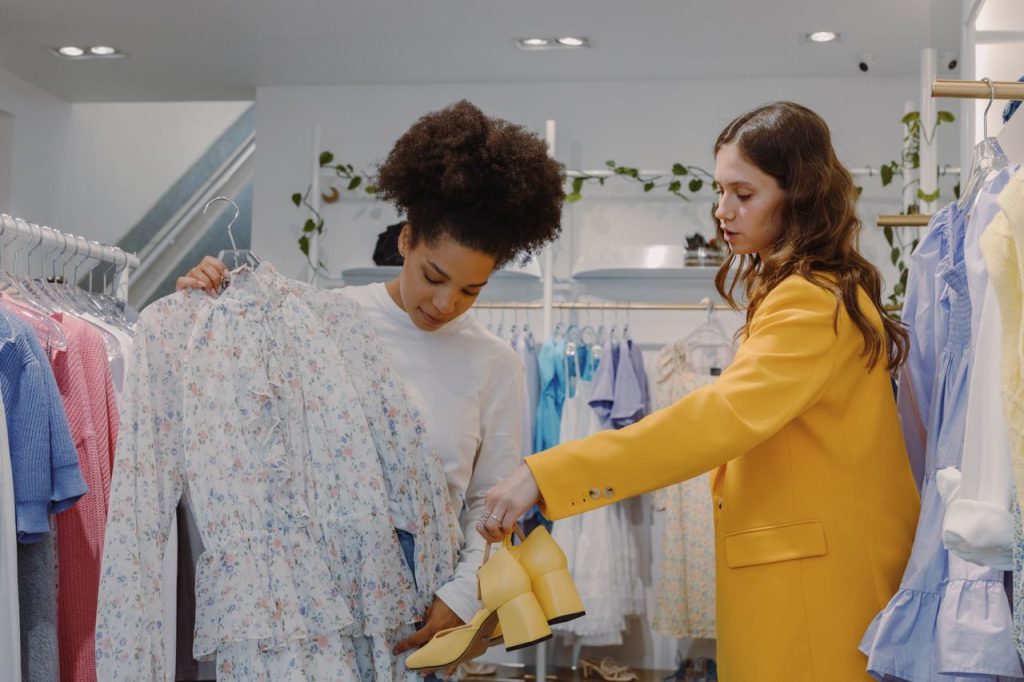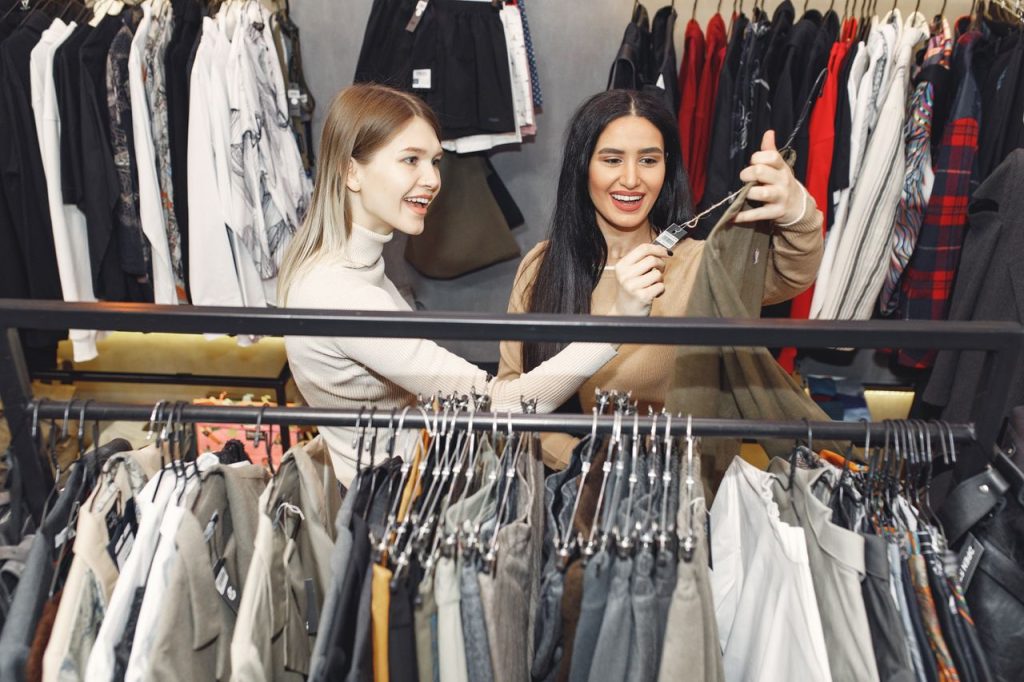
Shopping for clothes is a common activity in Canada. You may need to buy clothes for work, school, a special event, or a change in the weather. When you go shopping, it is useful to know clothes shopping vocabulary, and be able to ask about sizes and prices, trying on clothes, and express a decision as to what to buy.
This article will help you learn useful clothes shopping vocabulary.
1. Before You Go Shopping
Before going to a clothing store, think about what you need.
Ask yourself:
- What kind of clothes do I need?
- What size do I wear?
- How much can I spend?
- Do I need clothes for work or everyday life?
- What colour do I prefer?
- Do I need something for summer or winter?
For example:
I need a new jacket for work. I want something comfortable and professional. My budget is about $100.
Planning ahead can help you save time and money.
2. Clothing Vocabulary
Here are some common types of clothing.
Tops
- T-shirt – a casual shirt with short sleeves
- shirt – a piece of clothing worn on the upper body
- blouse – a shirt usually worn by women
- sweater – a warm knitted top
- hoodie – a casual sweatshirt with a hood
- jacket – a short coat
- coat – a warm outer layer
Bottoms
- jeans – casual trousers made from denim
- pants – clothing worn from the waist to the ankles
- shorts – short pants, usually worn in warm weather
- skirt – clothing worn around the waist and legs
- leggings – tight, stretchy pants
Other Clothing
- dress
- suit
- sweatshirt
- socks
- underwear
- pajamas
- scarf
- gloves
- hat
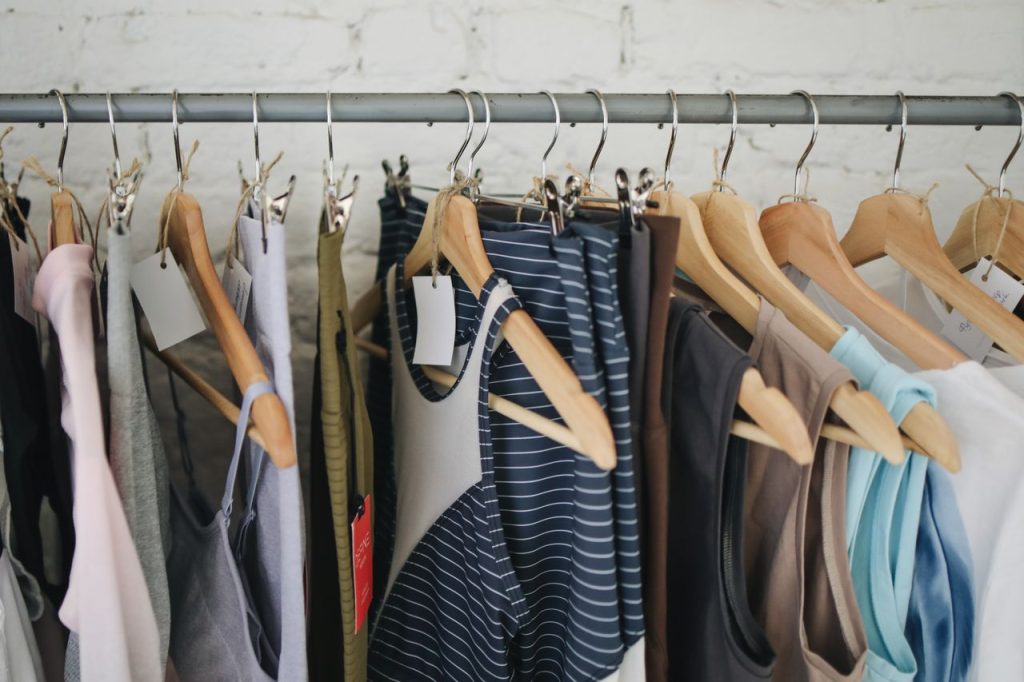
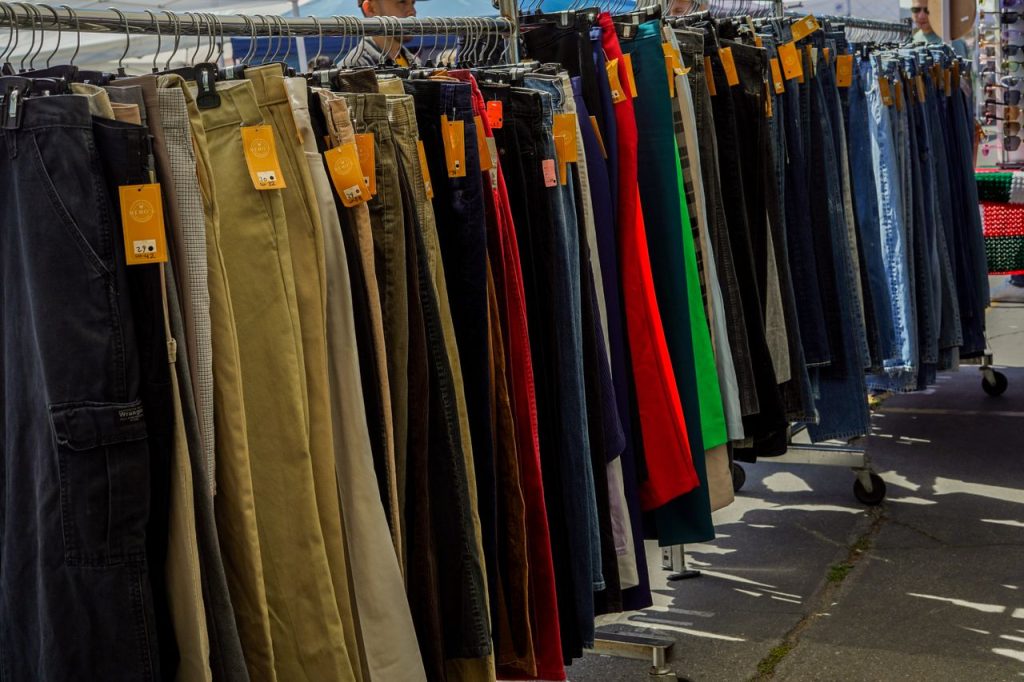
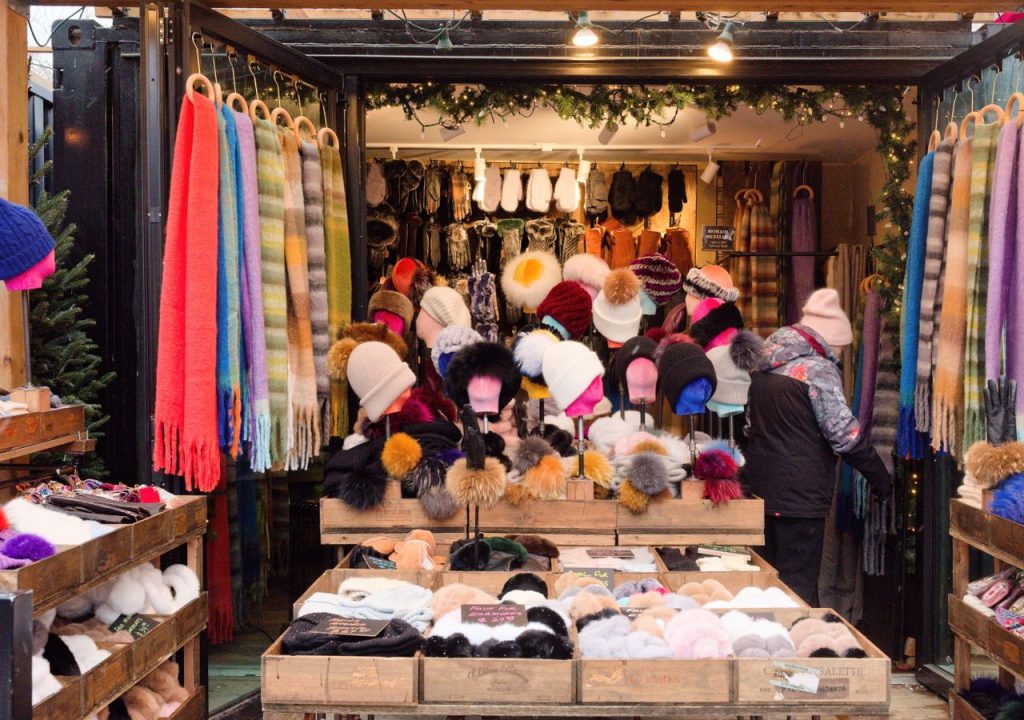
3. Describing Clothes
When you shop for clothes, you may need to describe what you want.
Colour
Common colours include:
- black
- white
- grey
- blue
- navy
- red
- green
- brown
- beige
- pink
- purple
- yellow
You can say:
I’m looking for a black jacket.
Do you have this sweater in blue?
I like this dress, but I would prefer it in red.
4. Size
Clothing sizes can be different depending on the store and brand.
Common sizes include:
- XS – extra small
- S – small
- M – medium
- L – large
- XL – extra large
- XXL – extra extra large
You may also see numbers such as 2, 4, 6, 8, 10, 12, 14, etc.
Useful expressions:
What size is this?
Do you have this in a medium?
Do you have a larger size?
Do you have a smaller size?
I usually wear a size 10.
This is too small for me.
This is too big for me.
5. Asking About the Price
Price is an important part of shopping. You can ask:
How much is this?
How much does this cost?
Is this on sale?
Is there a discount?
Do you have any special offers?
For example:
Customer: How much is this jacket?
Salesperson: It’s $89.99.
Customer: Is it on sale?
Salesperson: Yes. It’s 20% off this week.
6. Useful Words About Prices
Full price
The normal price of an item.
The jacket is $120 at full price.
On sale
The item is being sold for less than the regular price.
These jeans are on sale for $49.99.
Discount
A reduction in the price.
Students get a 10% discount.
Clearance
Items are often heavily discounted because the store wants to sell them quickly.
These sweaters are on clearance.
Coupon
A code or voucher that can reduce the price.
Can I use this coupon?
7. Trying on Clothes
Before buying clothes, you may want to try them on.
The fitting room or change room is the place where you can try on clothes. You can ask:
Where are the fitting rooms?
Can I try this on?
Can I try these jeans on?
Where can I change?
After trying something on, you can say:
It’s too tight.
It’s too loose.
It’s too long.
It’s too short.
It fits well.
It doesn’t fit properly.
I like the way it fits.
Try on vs. Fit
Be careful with these two expressions:
Try on = put clothing on to see if you like it or if it fits: I’m going to try on this jacket.
Fit = be the right size or shape: This jacket fits me well.
8. Describing the Material
You may also want to know what a piece of clothing is made from.
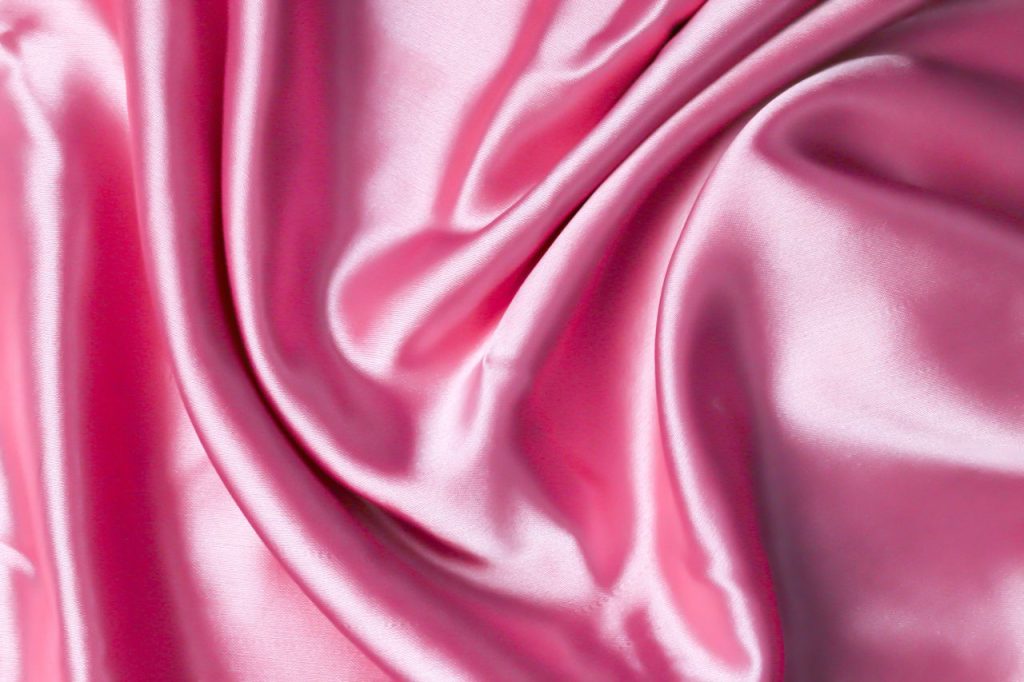
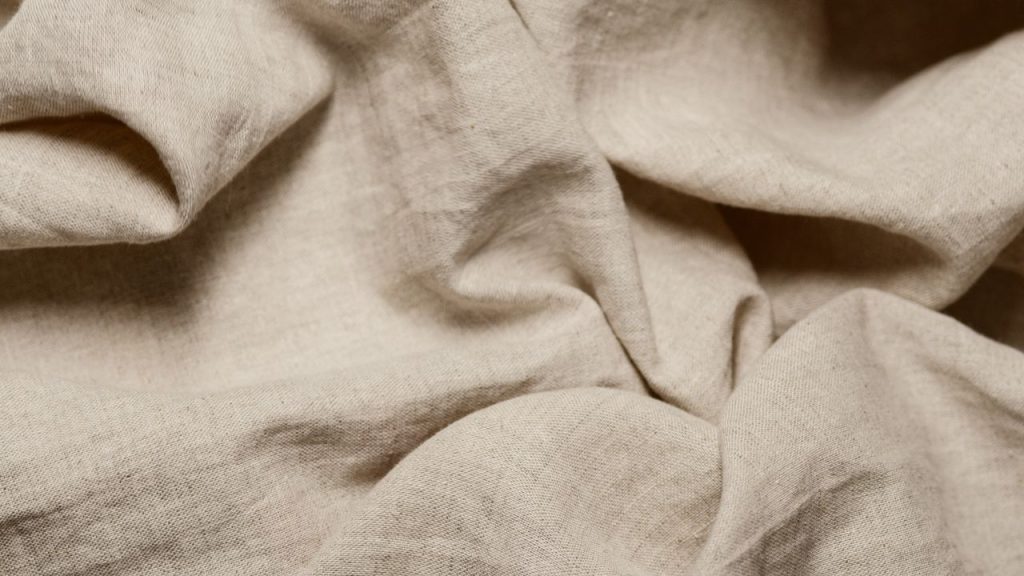
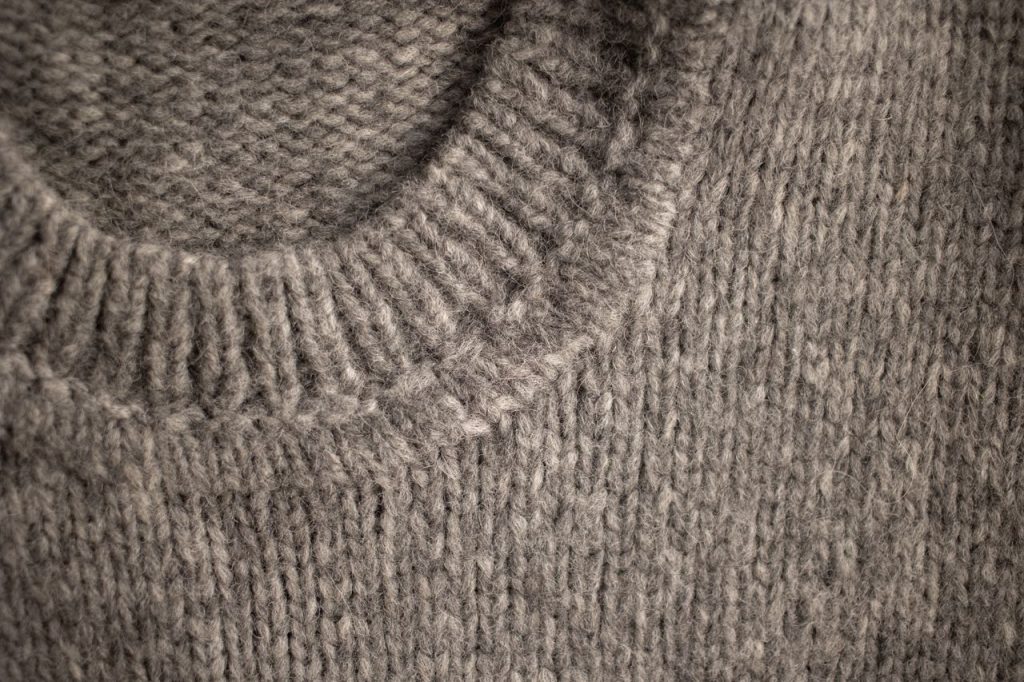
Common materials include:
- cotton
- wool
- leather
- denim
- polyester
- linen
- silk
You can ask:
What is this made of?
Is this made of cotton?
Is it 100% wool?
You can also describe the material:
This sweater is very soft.
This jacket feels warm.
These pants are made of denim.
9. Talking to a Salesperson
A salesperson may ask:
Can I help you?
You can answer:
Yes, I’m looking for a winter coat.
I’m just looking, thanks.
I’m looking for something for work.
Do you have this in a larger size?
I’m looking for something less expensive.
If you don’t need help, you can politely say:
No, thank you. I’m just looking.
10. Useful Expressions for Clothes Shopping
Here are some expressions you can use when shopping:
| Situation | Useful Expression |
|---|---|
| Asking for help | Can you help me find a jacket? |
| Asking about size | Do you have this in a medium? |
| Asking about colour | Do you have this in black? |
| Asking about price | How much is this? |
| Asking about a sale | Is this on sale? |
| Trying something on | Can I try this on? |
| Finding the fitting room | Where are the fitting rooms? |
| Asking about material | What is this made of? |
| Something is too small | It’s too tight. |
| Something is too big | It’s too loose. |
| Something fits | It fits me well. |
| Looking for something cheaper | Do you have anything less expensive? |
| Deciding not to buy | I’ll think about it. |
| Buying something | I’ll take it. |
Practice
Reading: Shopping for a New Jacket
A Shopping Trip
Maria needs a new jacket for work. Her old jacket is too small, so she goes to a clothing store on Saturday.
When she enters the store, a salesperson asks, “Can I help you?”
Maria says, “Yes. I’m looking for a black jacket for work.”
The salesperson shows her several jackets.
Maria likes one of them, but she isn’t sure about the size.
“Do you have this in a medium?” she asks.
“Yes, here you are,” the salesperson says.
Maria goes to the fitting room and tries on the jacket. It fits well, but she thinks it is a little expensive.
“How much is it?” she asks.
“It’s $120,” the salesperson says. “But it’s 25% off this weekend.”
Maria is happy because the jacket is now within her budget. She decides to buy it.
At the checkout, the cashier tells her the final price.
Maria pays by debit card and takes her new jacket home.
Reading Comprehension
A. True or False
- Maria needs a jacket for work.
- Her old jacket is too large.
- Maria wants a black jacket.
- She tries on a medium.
- The jacket is on sale.
- Maria decides not to buy the jacket.
B. Answer the Questions
- Why does Maria need a new jacket?
- What colour jacket does she want?
- What size does she try on?
- Why does she think the jacket is expensive?
- What happens to the price?
- How does Maria pay for the jacket?
Vocabulary Practice
Complete the sentences using the words below.
fitting room – sale – size – discount – tight – material – jacket – cashier
- I need a warm __________ for winter.
- Can I try this on in the __________?
- This shirt is too __________. I need a larger one.
- What __________ do you wear?
- Is this sweater on __________?
- What is this shirt made of? What is the __________?
- Do you offer a student __________?
- The __________ takes my payment.
Speaking Practice
Imagine that you are shopping for clothes.
Answer these questions:
- What clothes do you need to buy?
- What size do you usually wear?
- What colours do you like?
- How much do you usually spend on clothes?
- Do you prefer shopping online or in a store? Why?
- What is important to you when you buy clothes?
- Do you usually wait for sales?
- What clothes do you need for winter in Canada?
Speaking Challenge
Role-play: You are shopping for a winter coat.
Student A – Customer
You need a warm winter coat. Ask about:
- size
- colour
- price
- material
- sale price
- trying it on
Student B – Salesperson
Help the customer find a suitable coat. Give information about:
- sizes
- colours
- prices
- materials
- discounts
Try to have a 2–3 minute conversation.
Writing Practice
Write 6–8 sentences about your clothes-shopping habits.
Use these questions to help you:
- Where do you usually buy clothes?
- What kind of clothes do you usually buy?
- What size do you wear?
- What colours do you like?
- How much do you usually spend?
- Do you look for sales?
- Do you prefer shopping online or in person?
- What is important when you choose clothes?
Example
I usually buy my clothes at a shopping mall. I like shopping in stores because I can try clothes on before I buy them. I usually wear a medium. I prefer black, blue, and grey. I always look for clothes on sale because I want to save money. I also check the material before I buy something. I prefer comfortable clothes that fit well.
Canada Tip 🇨🇦
When shopping for clothes in Canada, sales tax is usually added at the checkout rather than included in the price shown on the clothing tag.
For example, if an item is advertised as $50, the final amount you pay will be higher after applicable sales tax is added.
It is a good idea to check the price carefully and make sure you have enough money for the final total.
You may also see signs such as:
- 50% off
- Buy one, get one free
- Clearance
- Final sale
- No returns
- Exchange only
Always check the store’s return and exchange policy before buying something, especially if the item is on sale or marked “final sale.”
Quick Review
Before you go clothes shopping, make sure you can:
☐ Ask for a different size.
☐ Ask about the price.
☐ Ask if something is on sale.
☐ Ask to try something on.
☐ Find the fitting room.
☐ Describe how clothes fit.
☐ Ask about the material.
☐ Ask for a different colour.
☐ Understand common sale signs.
☐ Talk to a salesperson politely.
Key Expressions to Remember
Can I try this on?
Do you have this in a larger size?
How much does this cost?
Is this on sale?
What is this made of?
It fits me well.
It’s too tight.
It’s too loose.
Do you have anything less expensive?
I’ll take it.