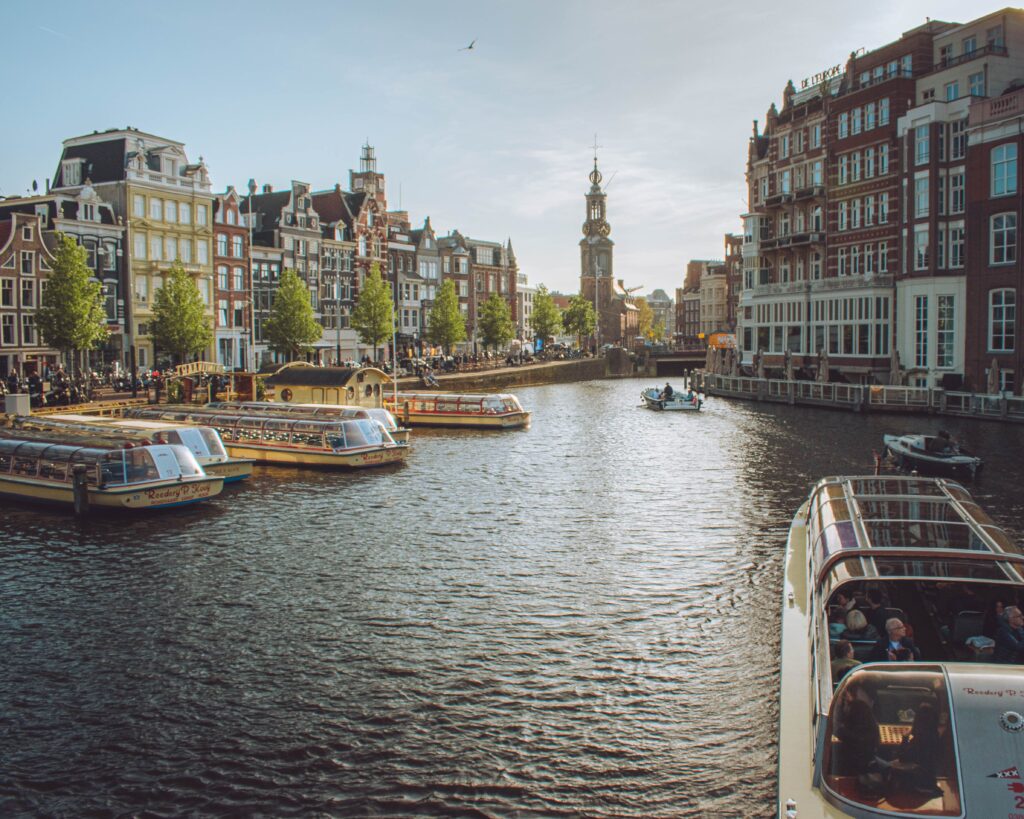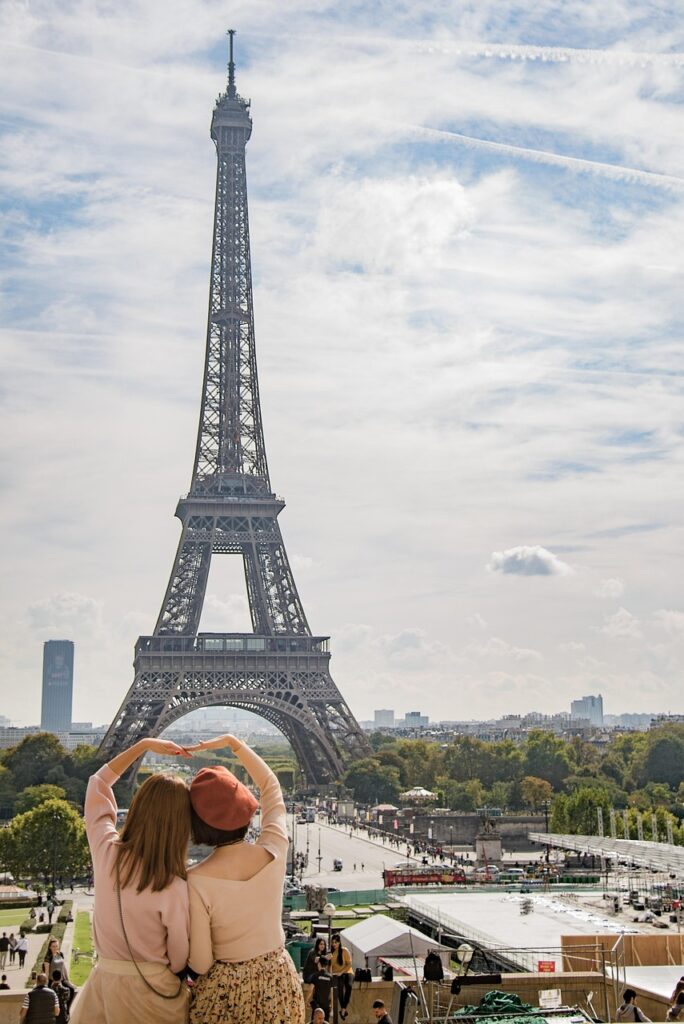
Visiting a tourist attraction is a great way to explore a new city or learn more about Canadian history and culture. You may visit a museum, art gallery, historic building, national park, zoo, aquarium, or famous landmark.
When you visit a tourist attraction, you need English to buy tickets, ask for information, understand signs, find your way around, and talk about what you see.
This vocabulary guide will help you communicate more confidently during your visit.
1. Tourist Attraction
A tourist attraction is a place that many people visit because it is interesting, beautiful, or important.
Examples:
- Niagara Falls is a popular tourist attraction in Ontario.
- We visited a famous tourist attraction in Toronto.
- The museum is one of the city’s main attractions.
Useful words
| Word | Simple Meaning | Example |
|---|---|---|
| attraction | an interesting place people visit | The attraction is open every day. |
| landmark | a famous or important place or building | The CN Tower is a famous landmark. |
| museum | a place where historical or interesting objects are displayed | We visited the history museum. |
| gallery | a place where works of art are displayed | The art gallery has a new exhibition. |
| exhibit | an object or collection shown to the public | The dinosaur exhibit was very interesting. |
| exhibition | a public display of art, objects, or information | There is a new exhibition this month. |
| historic site | a place that is important in history | We visited a historic site. |
| viewpoint | a place where you can see a large area | The viewpoint has a beautiful view. |
Vocabulary Practice
Complete the sentences.
- The CN Tower is a famous Toronto __________.
- We visited an art __________ on Saturday.
- The dinosaur __________ was very popular with children.
- Niagara Falls is a major tourist __________.
2. Buying Tickets
Many attractions require visitors to buy a ticket before entering.
You may buy tickets online, at the ticket office, or at the entrance.
Useful vocabulary
| Word | Simple Meaning | Example |
|---|---|---|
| ticket | a document or digital pass that allows you to enter | I bought two tickets. |
| admission | permission to enter a place; the cost of entering | Admission is $15. |
| entrance fee | the money you pay to enter | There is a $10 entrance fee. |
| ticket office | a place where you buy tickets | The ticket office is near the entrance. |
| adult | a person who is not a child | An adult ticket costs $20. |
| child | a young person | Child tickets are cheaper. |
| senior | an older adult | Seniors receive a discount. |
| discount | a lower price | Students can get a discount. |
| reservation | an arrangement made before you visit | We made a reservation online. |
Useful Questions
- How much is admission?
- How much is an adult ticket?
- Do children need tickets?
- Is there a student or senior discount?
- Can I buy tickets at the entrance?
- Do I need to make a reservation?
- Can I buy tickets online?
3. Asking for Information
You may need to ask an employee questions during your visit.
Here are some useful expressions:
- Excuse me, could you help me?
- Where can I buy tickets?
- What time does the tour start?
- How long does the tour take?
- Where is the washroom?
- Is there a café here?
- Can I take photos?
- Are there guided tours?
- What time does the attraction close?
Polite Question Practice
Change the direct questions into polite questions.
- Where is the entrance?
- When does the tour start?
- Can I take pictures?
- Where is the washroom?
Example:
Direct: Where is the entrance?
Polite: Excuse me, could you tell me where the entrance is?
4. Finding Your Way Around
Large tourist attractions can be difficult to navigate. You may need to read a map or signs.
Useful vocabulary
| Word | Simple Meaning | Example |
|---|---|---|
| entrance | the place where you enter | The main entrance is on the left. |
| exit | the place where you leave | The exit is downstairs. |
| map | a drawing that shows where places are | Let’s look at the map. |
| information desk | a place where you can ask questions | The information desk is near the entrance. |
| sign | information displayed on a board | Follow the signs to the gallery. |
| direction | information about which way to go | Can you give me directions? |
| floor | a level of a building | The museum is on the second floor. |
| elevator | a machine that takes people between floors | Take the elevator to the third floor. |
| stairs | steps used to move between floors | The stairs are over there. |
| accessible | easy to enter or use, including for people with disabilities | The building is wheelchair accessible. |
Useful Expressions
- Where is the main entrance?
- How do I get to the museum?
- Which way is the exit?
- Is there an elevator?
- What floor is the exhibition on?
- Can I get a map?
5. Describing What You See
When you visit an attraction, you can use adjectives to describe your experience.
Useful adjectives
beautiful – very attractive
The garden is beautiful.
interesting – something that makes you want to learn more
The exhibition was very interesting.
amazing – very impressive
The view was amazing.
crowded – full of people
The museum was crowded.
quiet – with very little noise
The gallery was quiet.
historic – connected with history
We visited a historic building.
modern – new or designed in a contemporary style
The museum has a modern design.
impressive – something that makes you admire it
The waterfall was impressive.
educational – helping you learn something
The tour was very educational.
memorable – something you remember for a long time
It was a memorable experience.
6. Guided Tours
Many tourist attractions offer guided tours. A guide shows visitors around and gives information about the attraction.
Useful vocabulary
| Word | Simple Meaning | Example |
|---|---|---|
| guide | a person who shows visitors around | Our guide was very helpful. |
| guided tour | a tour led by a guide | We joined a guided tour. |
| tour | a visit to several places with information | The tour lasted one hour. |
| group | several people together | Our group had 15 people. |
| information | facts about a place or subject | The guide gave us useful information. |
| history | events and people from the past | We learned about Canadian history. |
| audio guide | recorded information you listen to | We used an audio guide at the museum. |
Useful Questions
- How long is the guided tour?
- How much does the tour cost?
- What time does the next tour start?
- Is the tour available in English?
- Do I need to book the tour?
7. Rules and Signs
Tourist attractions have rules to keep visitors and exhibits safe.
You may see signs such as:
- No photography
- Do not touch
- Please stay behind the line
- No food or drinks
- Keep off the grass
- Please be quiet
- Emergency exit
- Washrooms
- Information
- Entrance
- Exit
Important Expressions
You are not allowed to…
You cannot do something.
You are not allowed to touch the exhibits.
You must…
Something is required.
You must stay behind the line.
You should…
Something is recommended.
You should arrive 15 minutes before the tour.
8. Talking About Your Visit
After visiting a tourist attraction, you can talk about your experience.
Useful expressions
I really enjoyed…
I really enjoyed the guided tour.
My favourite part was…
My favourite part was the art exhibition.
I was surprised by…
I was surprised by how large the museum was.
I learned about…
I learned about the history of Toronto.
The most interesting thing was…
The most interesting thing was the old train.
I would recommend…
I would recommend this attraction to families.
It was worth visiting because…
It was worth visiting because we learned a lot.
Practice
Practice 1: Match the Words
Match each word with its meaning.
- attraction
- admission
- exhibit
- landmark
- entrance
- guide
- viewpoint
- discount
a. a lower price
b. a famous or important place
c. a person who shows visitors around
d. a place where you enter
e. an interesting place people visit
f. the cost of entering a place
g. an object displayed for people to see
h. a place where you can see a large area
Practice 2: Fill in the Blanks
Use the words below.
guided tour – entrance – crowded – admission – landmark – map – exhibit – discount
- The CN Tower is a famous Toronto __________.
- We bought our tickets at the main __________.
- The museum was very __________ on Saturday.
- The __________ fee is $18 for adults.
- We joined a __________ of the historic building.
- Can I get a __________ of the museum?
- The dinosaur __________ was very popular.
- Students can get a __________.
Practice 3: Choose the Correct Word
- We bought our tickets at the ticket office / viewpoint.
- The museum was very crowded / accessible because many people were visiting.
- We followed the signs / exhibits to the exit.
- The tour guide / discount explained the history of the building.
- You are not allowed to touch / enter the exhibits.
- The view from the top was amazing / historic.
Practice 4: Speaking
Imagine that you are visiting a tourist attraction in Canada.
Answer these questions:
- What attraction are you visiting?
- Who are you visiting with?
- How did you get there?
- How much was the admission?
- What did you see?
- Was it crowded?
- What did you learn?
- What was your favourite part?
- Would you recommend it to a friend?
- Why or why not?
Speaking Challenge
Imagine you are at a tourist attraction. Ask an employee three questions.
For example:
Excuse me. Could you tell me where the washroom is?
What time does the next tour start?
Can I take photos inside?
Key Vocabulary Review
| Word | Simple Meaning |
|---|---|
| attraction | an interesting place people visit |
| landmark | a famous or important place |
| admission | the cost of entering |
| exhibit | an object displayed for visitors |
| exhibition | a public display |
| entrance | the place where you enter |
| exit | the place where you leave |
| guided tour | a tour led by a guide |
| viewpoint | a place with a good view |
| landmark | a famous or important place |
| discount | a lower price |
| reservation | an arrangement made before visiting |
| crowded | full of people |
| accessible | easy for people to enter or use |
| memorable | easy to remember because it was special |
Final Challenge
Write 5–7 sentences about a tourist attraction you have visited or would like to visit.
Try to use at least five vocabulary words from this article.
Example:
I would like to visit the Royal Ontario Museum in Toronto. I would buy my ticket online before I go. I would like to see the special exhibits and join a guided tour. I think the museum would be interesting and educational. I would also take a map so I could find my way around. I hope it would be a memorable experience.